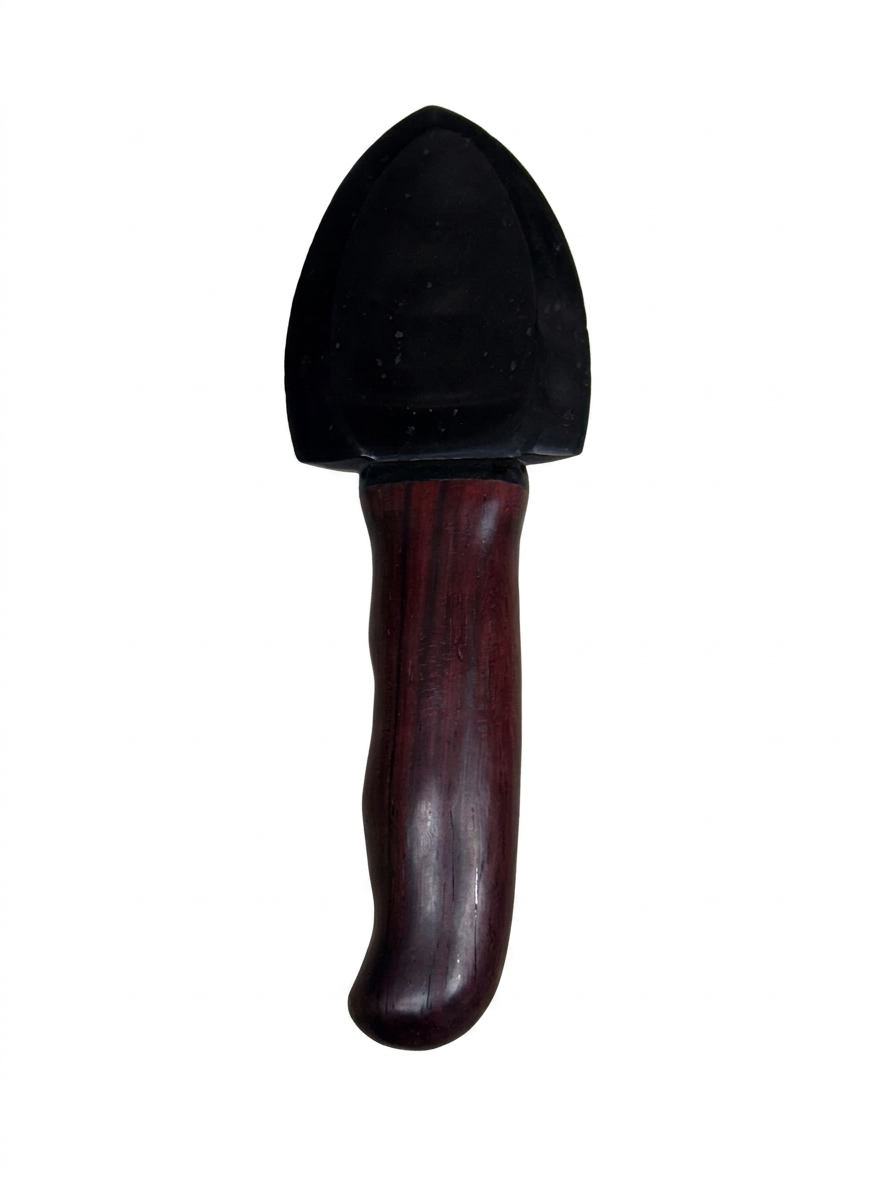
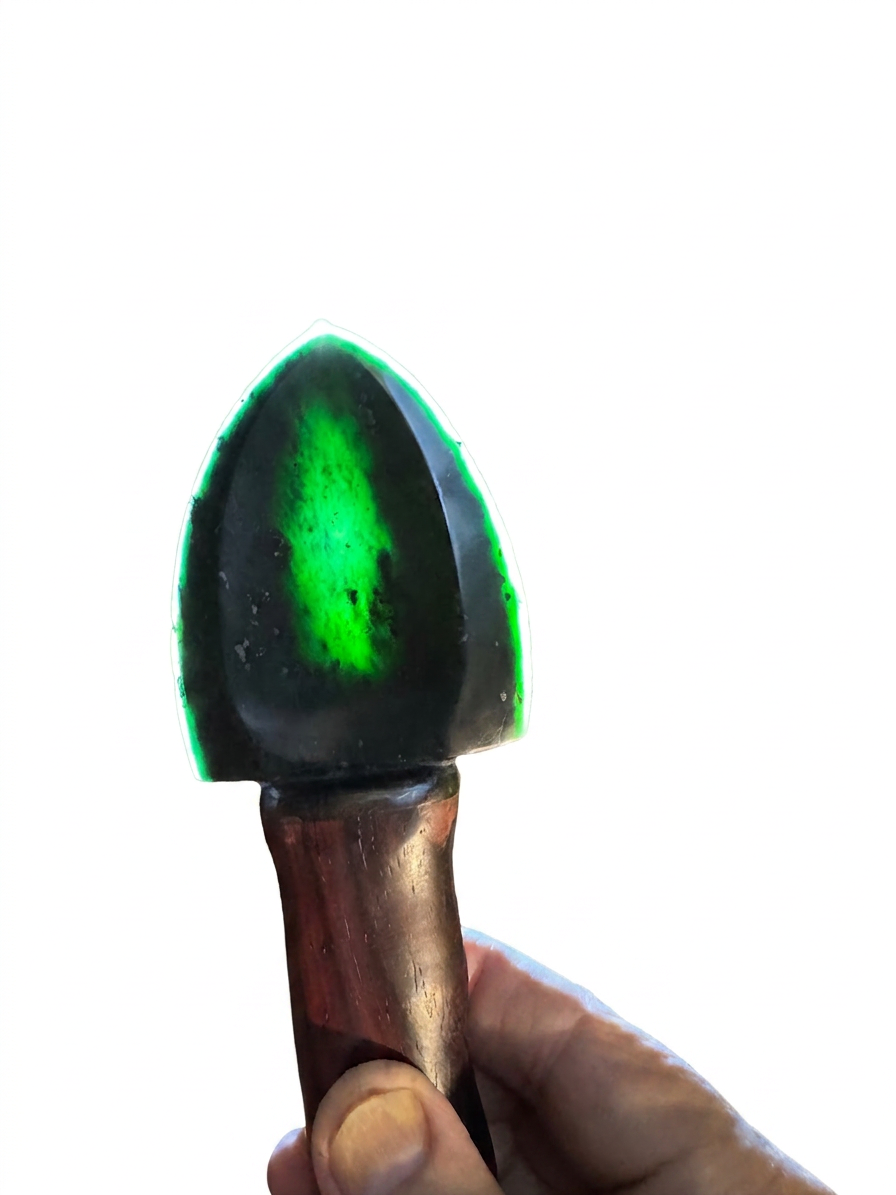
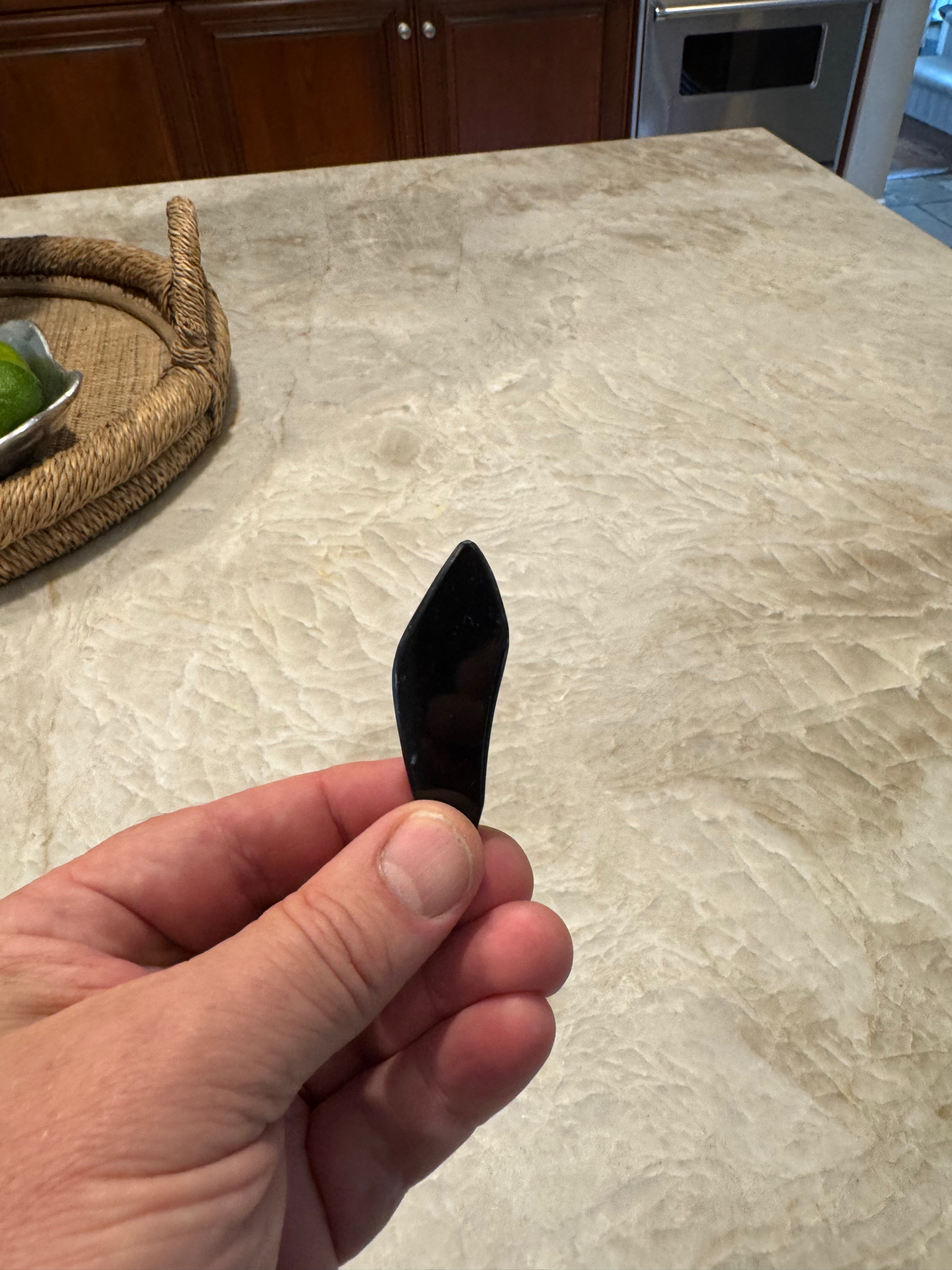
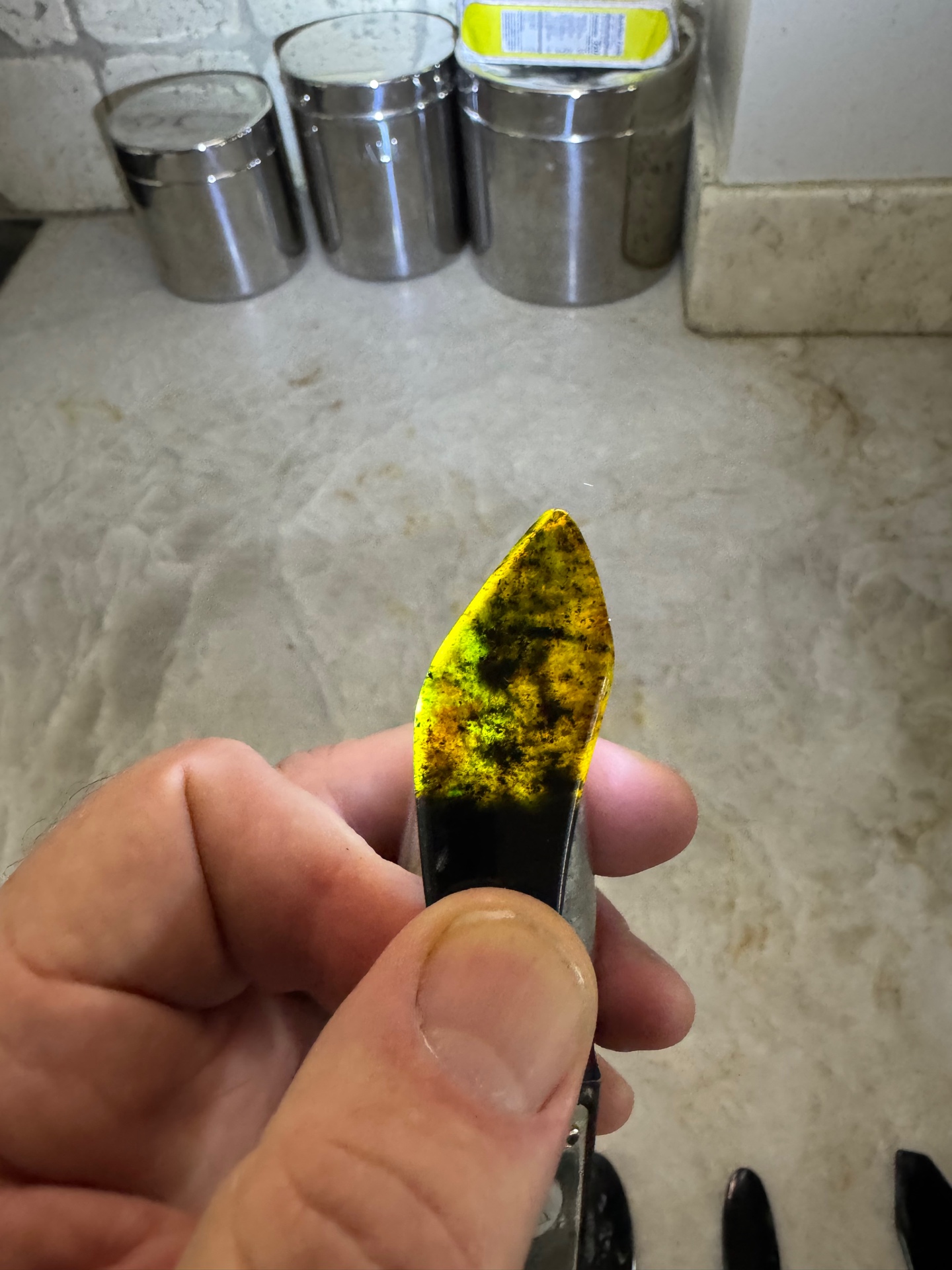
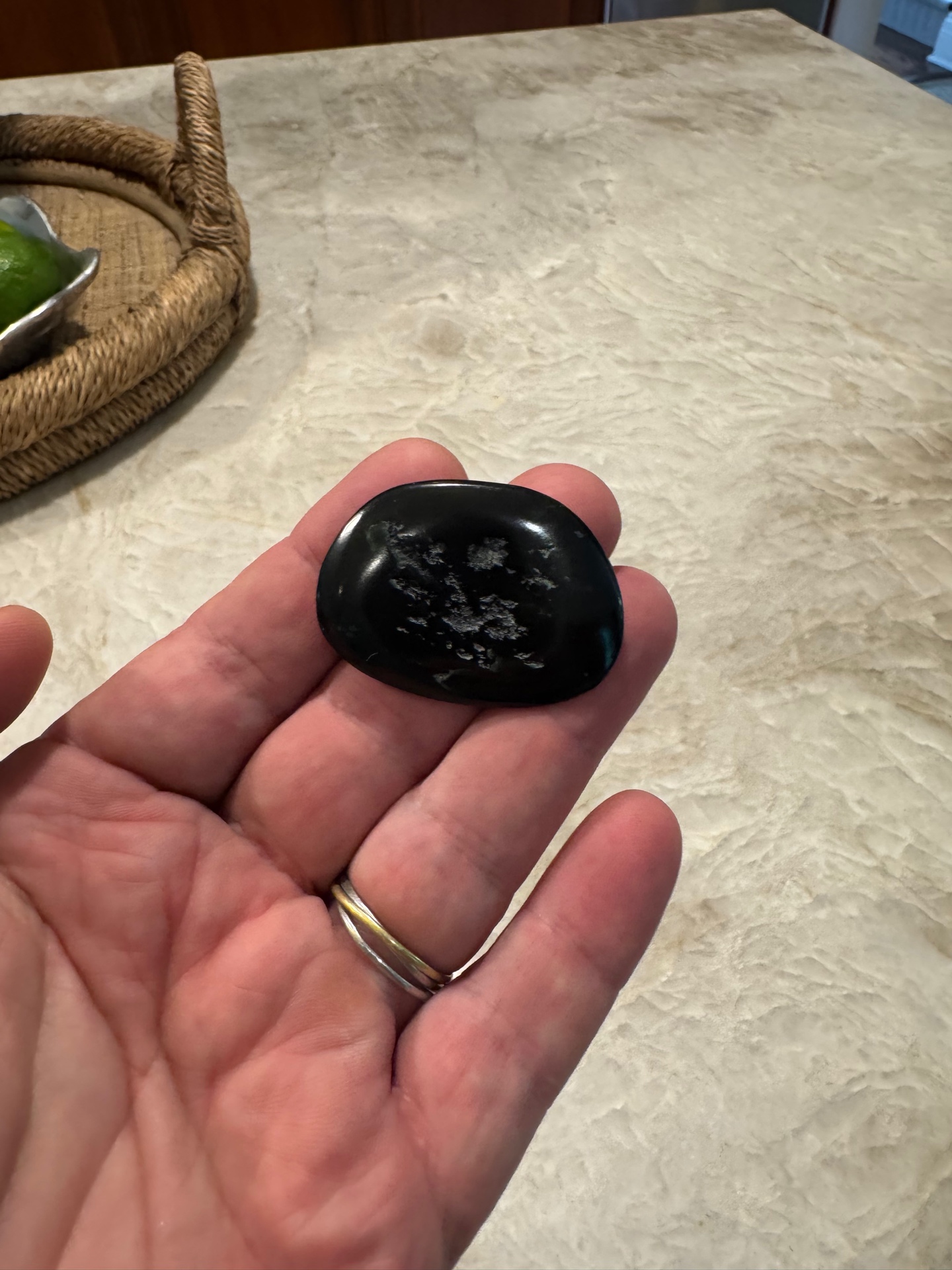
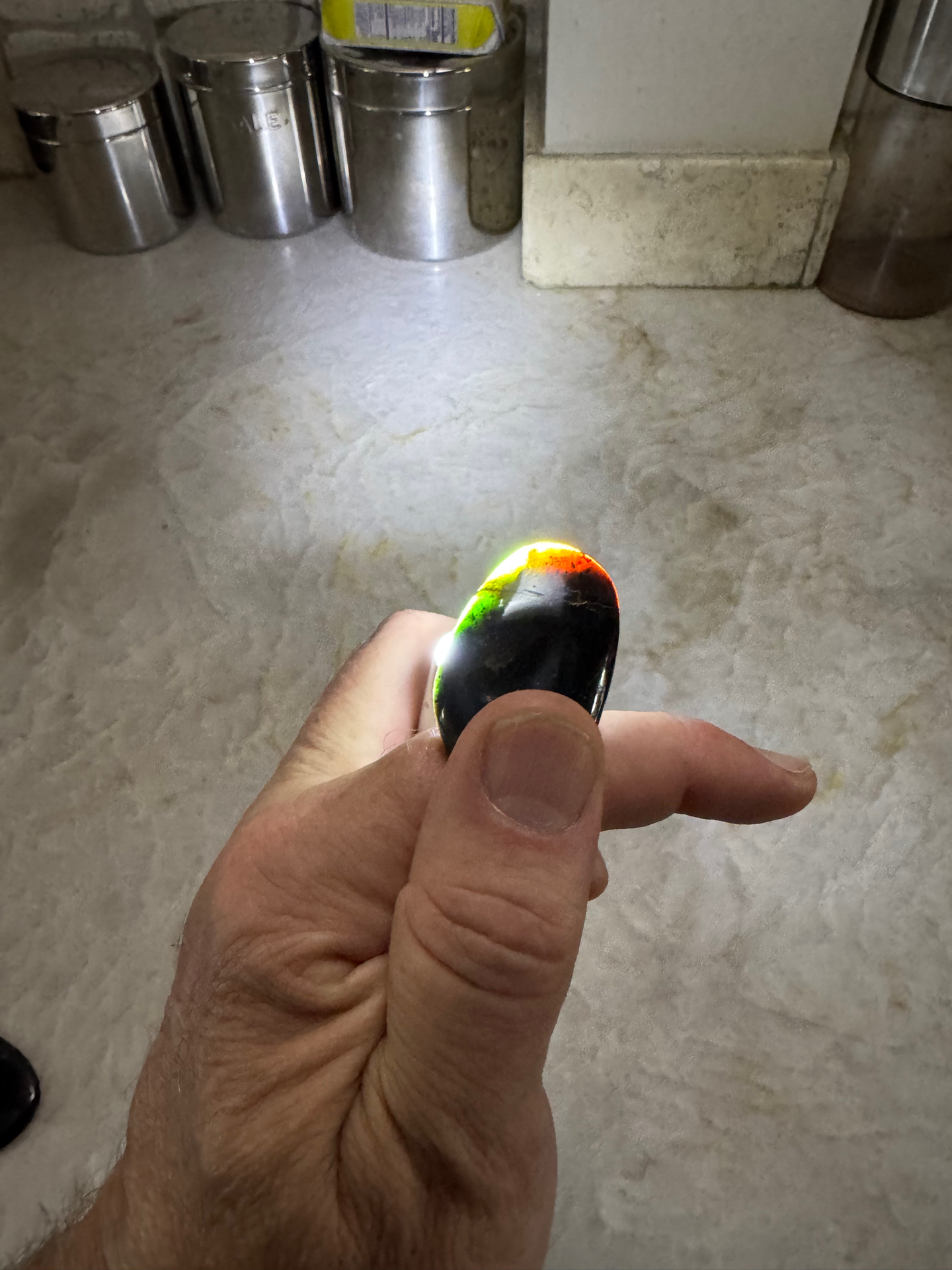
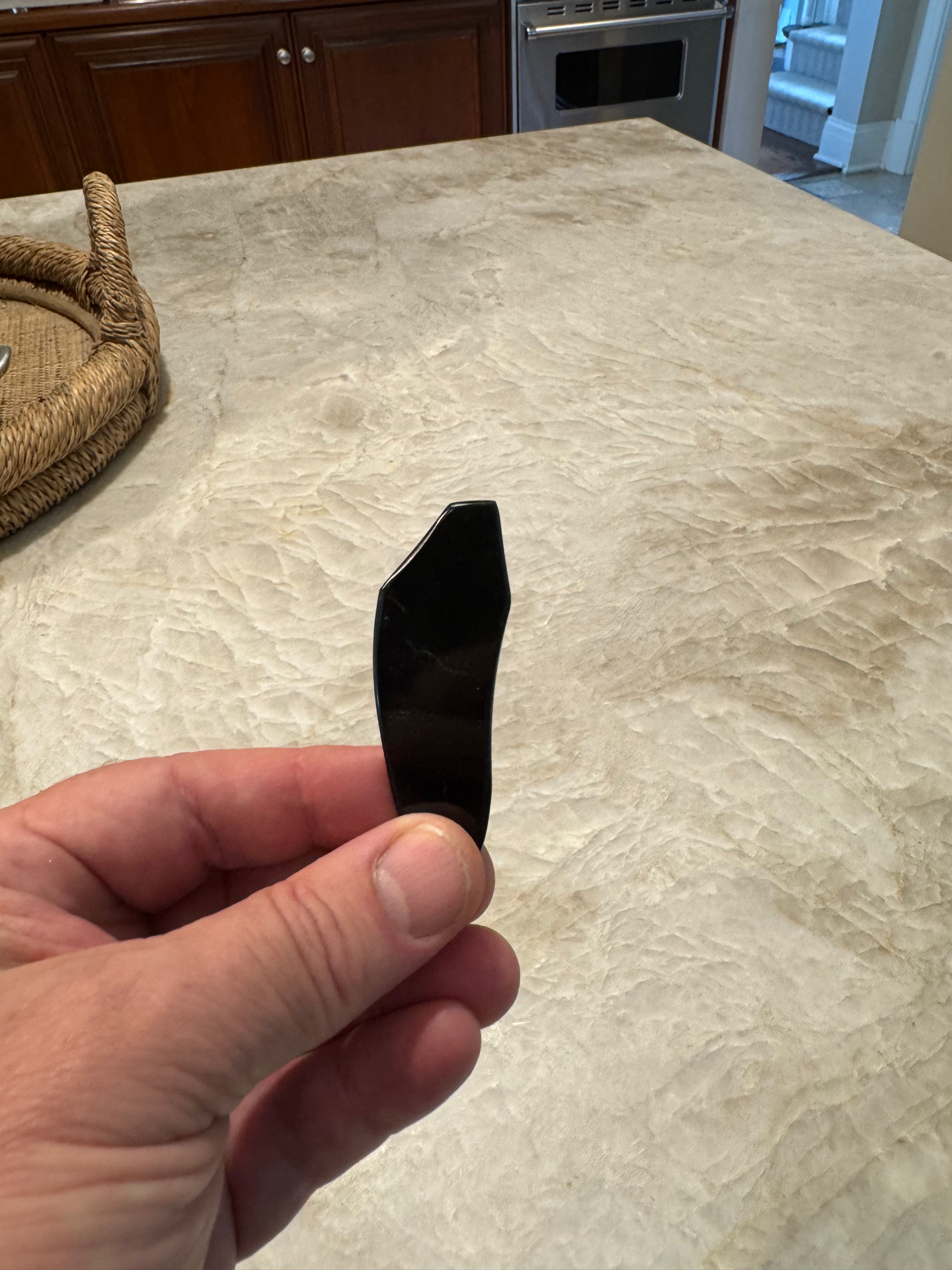
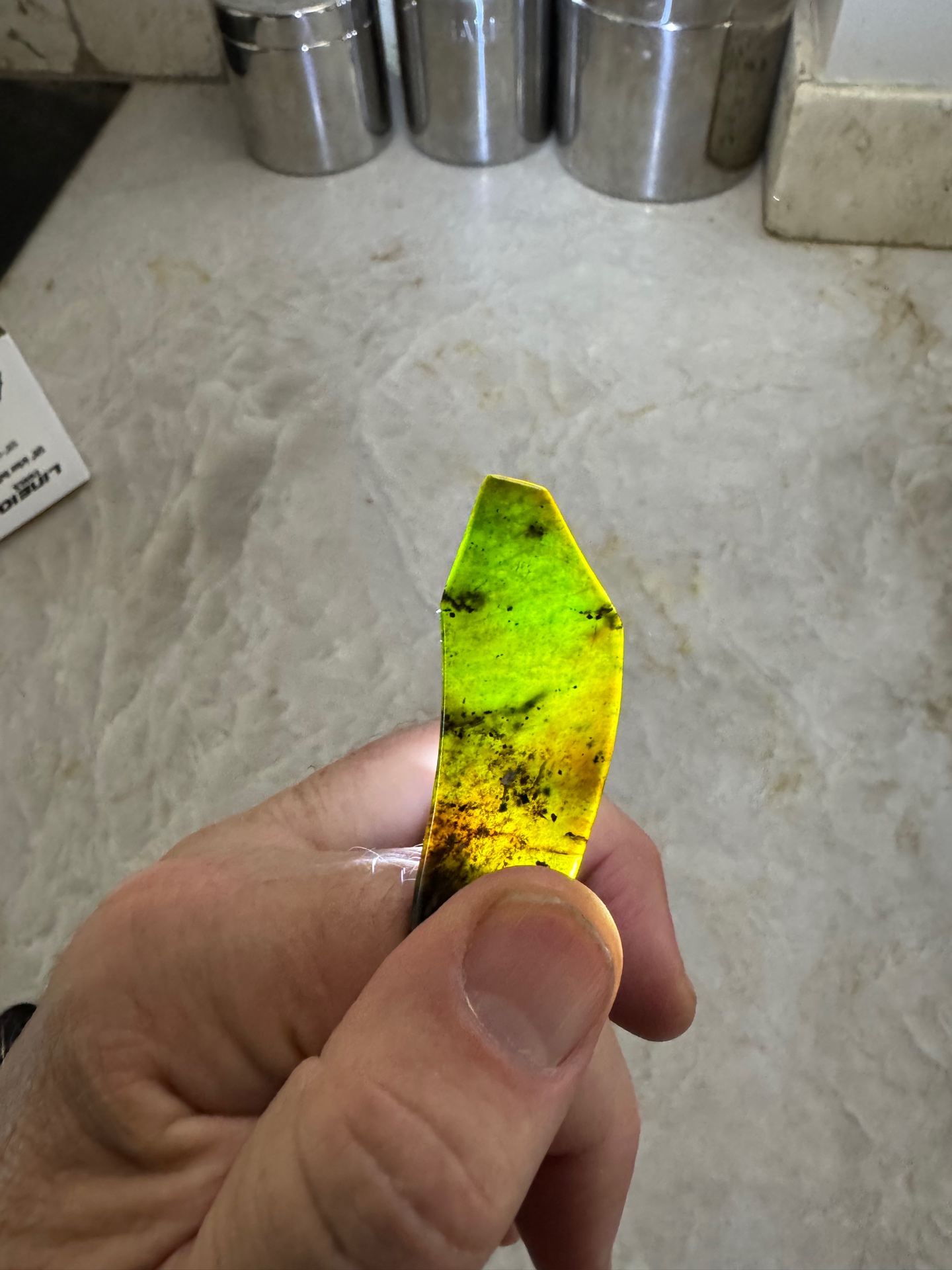
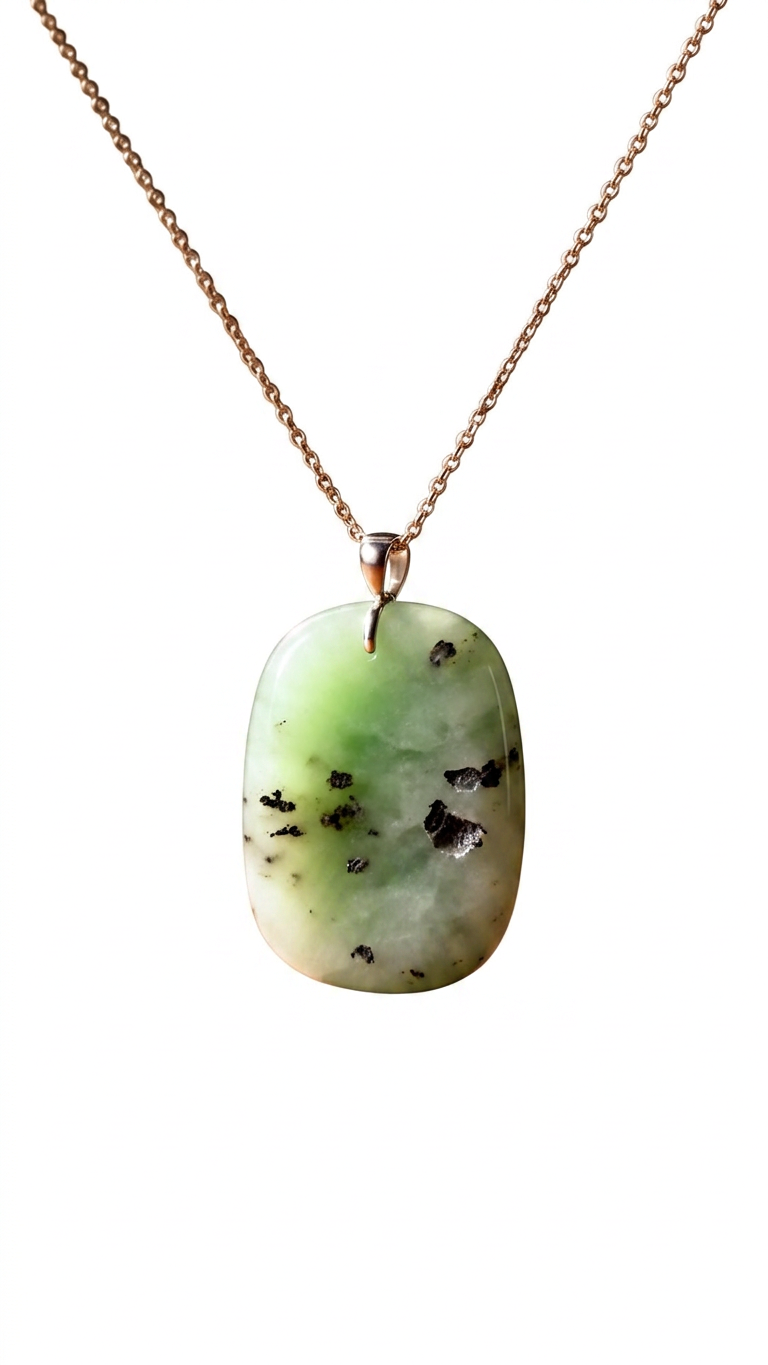
We are not interested in the flawless stone.
For most of jewelry's history, the trade has chased a kind of sterile perfection — colour without interruption, surface without memory, a clarity so absolute it feels almost untrue. We have chosen a different path.
Every piece of jade that passes through our hands is read the way one might read a face: the small line at the corner of an eye, the spot where the sun left its mark, the soft asymmetry that makes a person impossible to mistake for anyone else. These are not failures. These are the proof of having been somewhere and of individuality.
A.
The stone
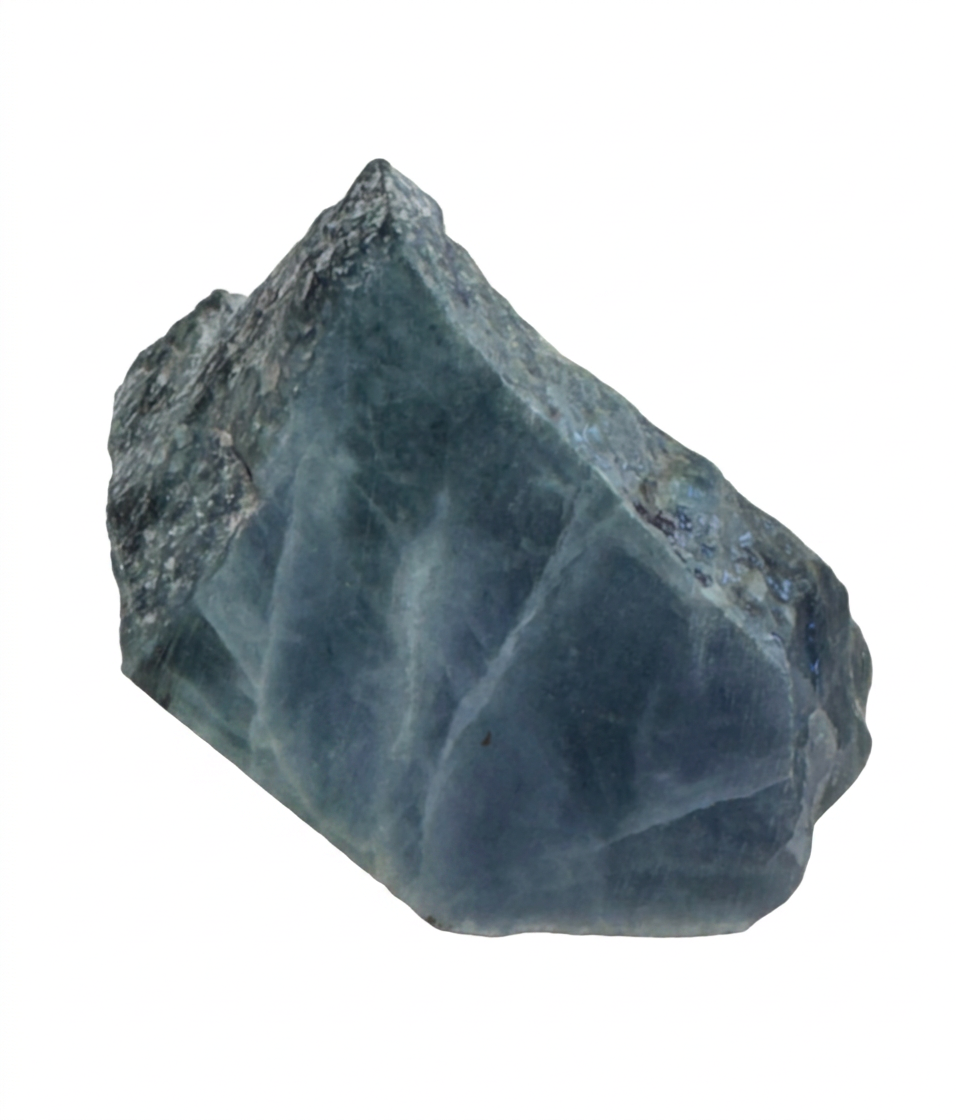
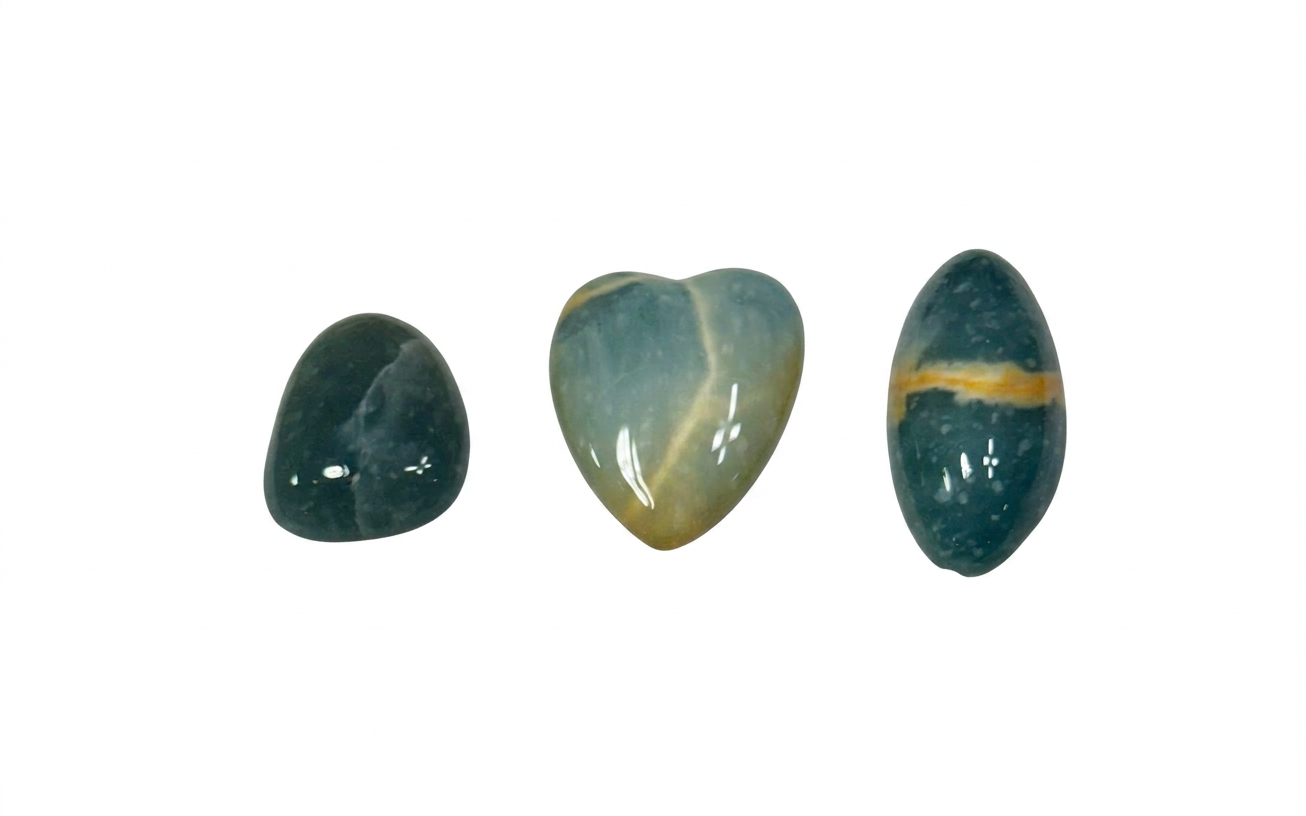
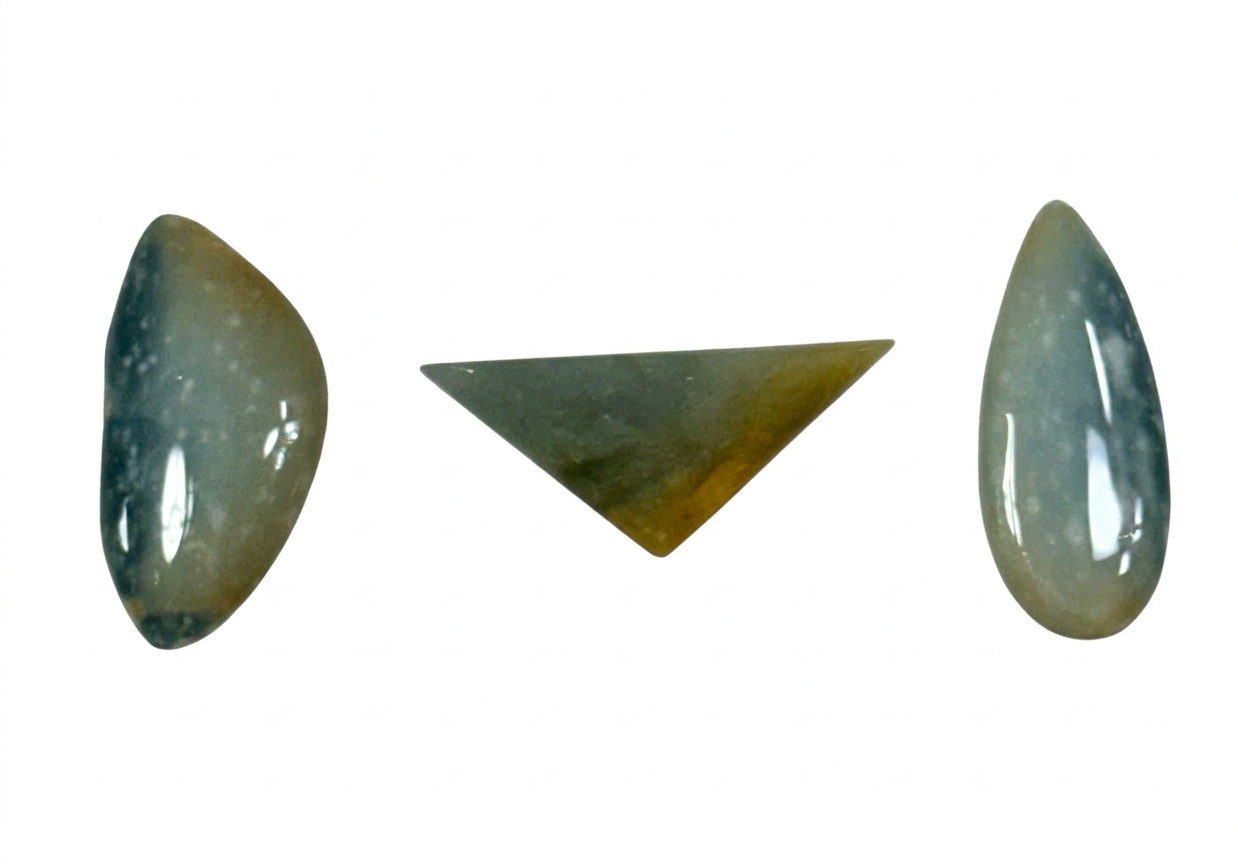
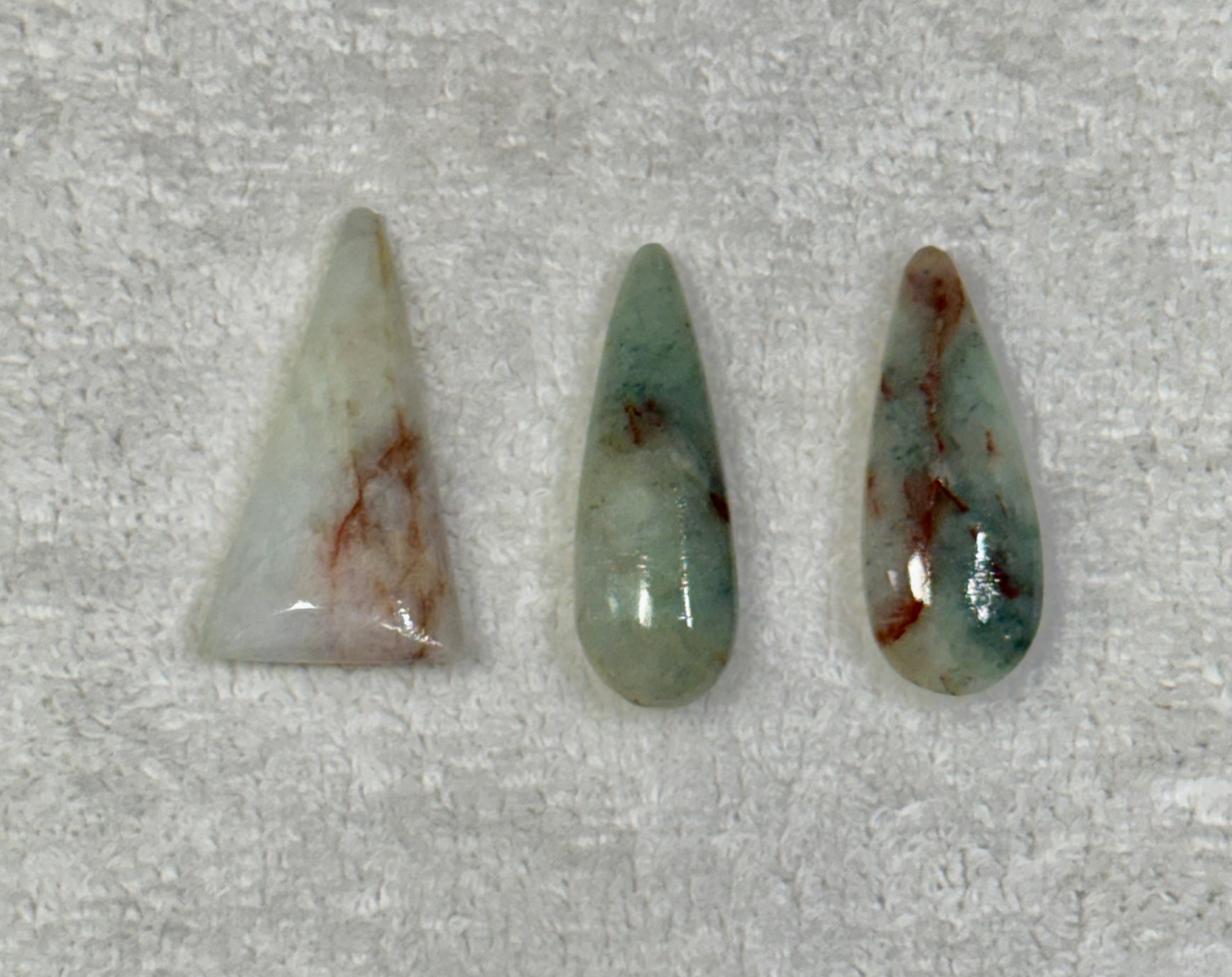
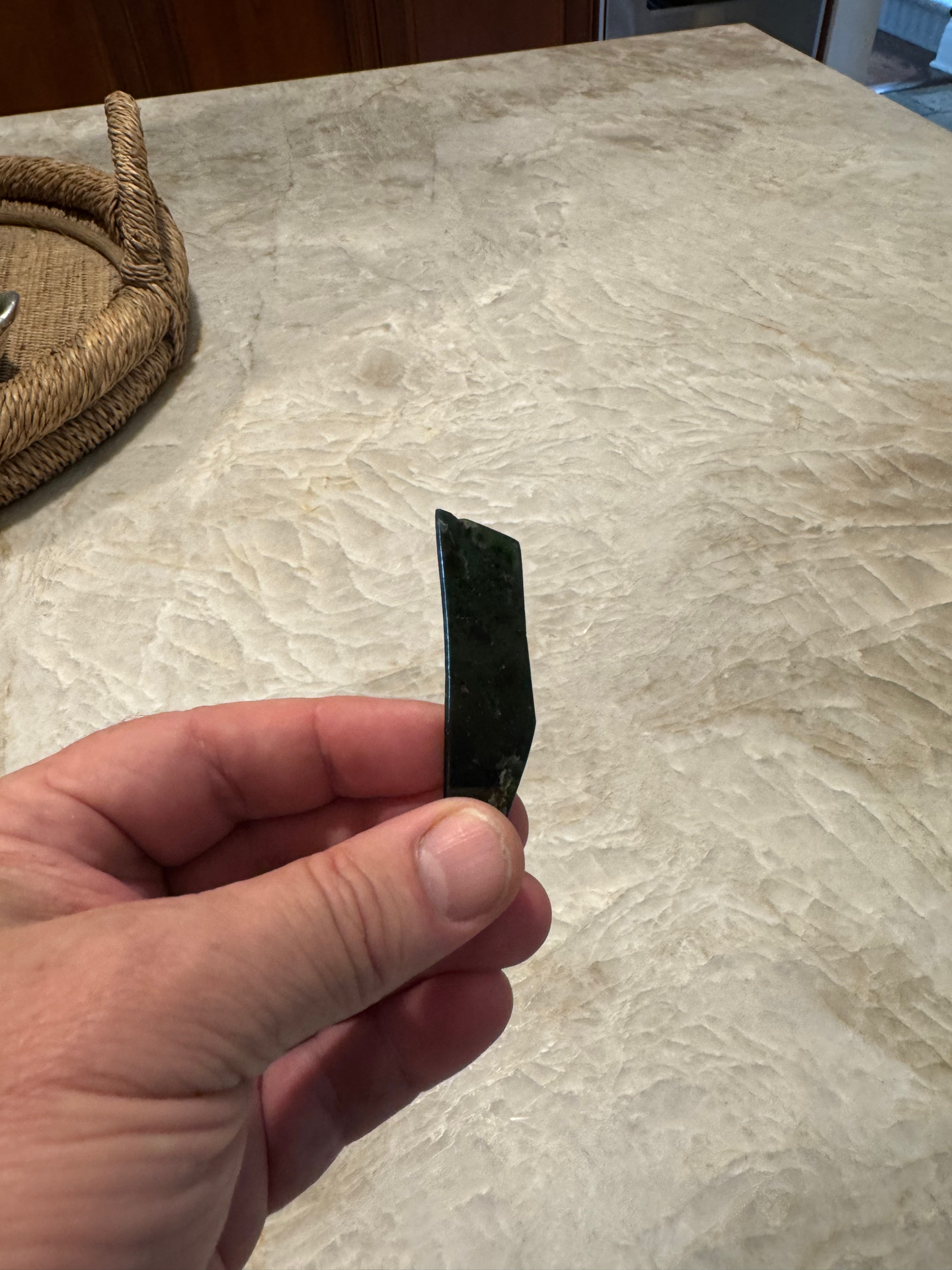
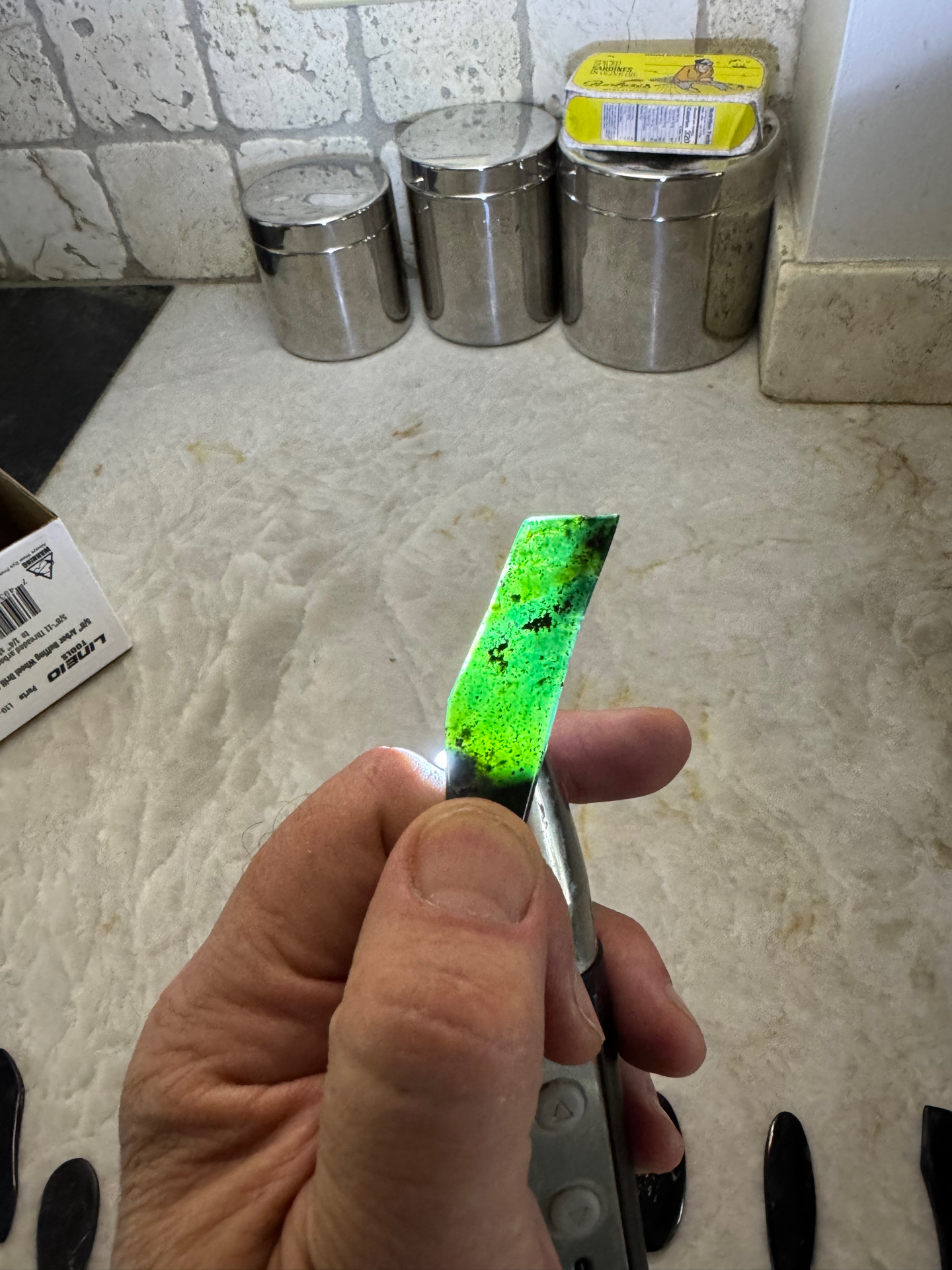
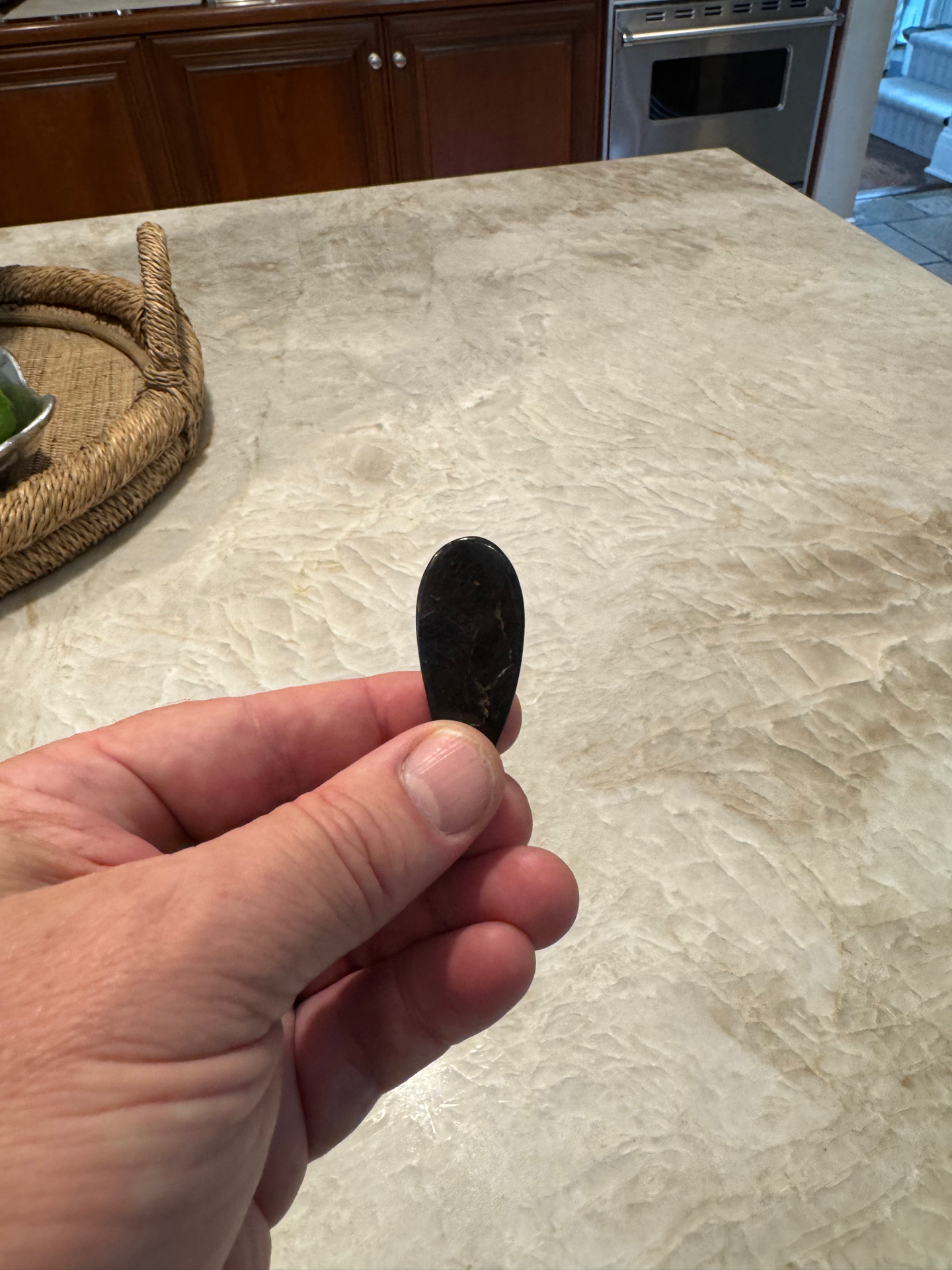
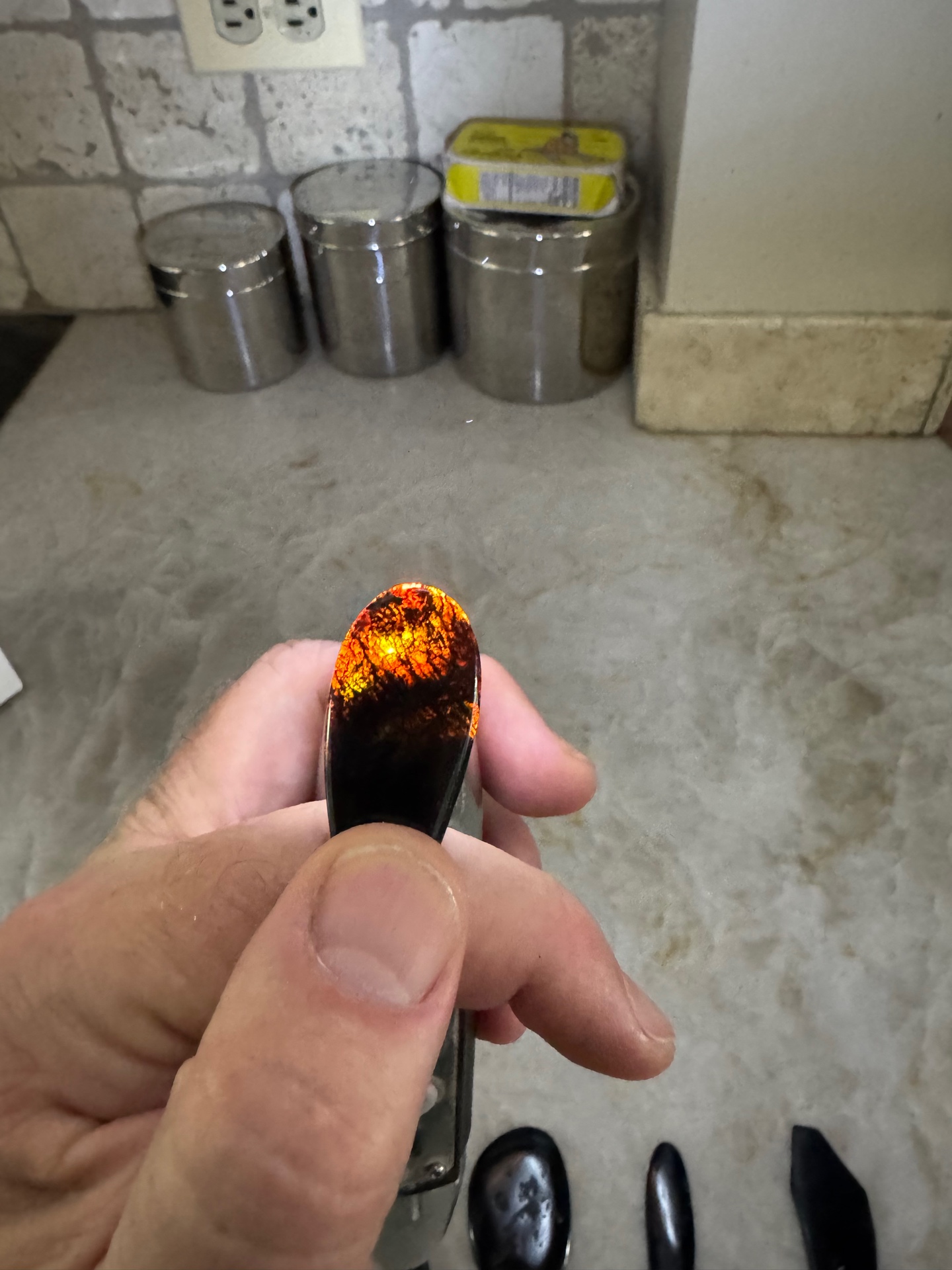
A jade boulder that has been through everything — water, pressure, mineral staining and time — comes out marked. The healed fracture is where it was once broken and chose to hold. The inclusion is what it carried with it. The rind is about the place it came from.
Cut and polish it until none of that is visible and you have something pretty. Leave it, and you have something true. We cut by listening — letting the stone show us what it wants to become, instead of imposing a shape on it.
B.
The person
The same is, we think, true of us. The interesting people are almost never the unmarked ones. They are the ones whose seams have re-knit a little crooked, who carry the colour of the places they have been, whose particular constellation of small private things you would not dream of asking them to remove.
Difference is not an interruption of beauty. It is the condition of it. And, more often than we admit, it is also the source of strength.